
Why the “A” Matters: The Benefits of S.T.E.A.M. Learning
A product can be technically impressive and still be difficult to use. An app may contain powerful technology but confuse its users. A building may be structurally sound but fail to feel welcoming or accessible.
Science, technology, engineering, and mathematics help determine whether something can work. The arts help us consider how it will be experienced, understood, communicated, and used.
That is the purpose of S.T.E.A.M. education: bringing science, technology, engineering, the arts, and mathematics together to solve meaningful problems.
The “A” is not decoration added at the end of a project. It represents creativity, design, communication, observation, empathy, and the ability to imagine more than one possible solution.
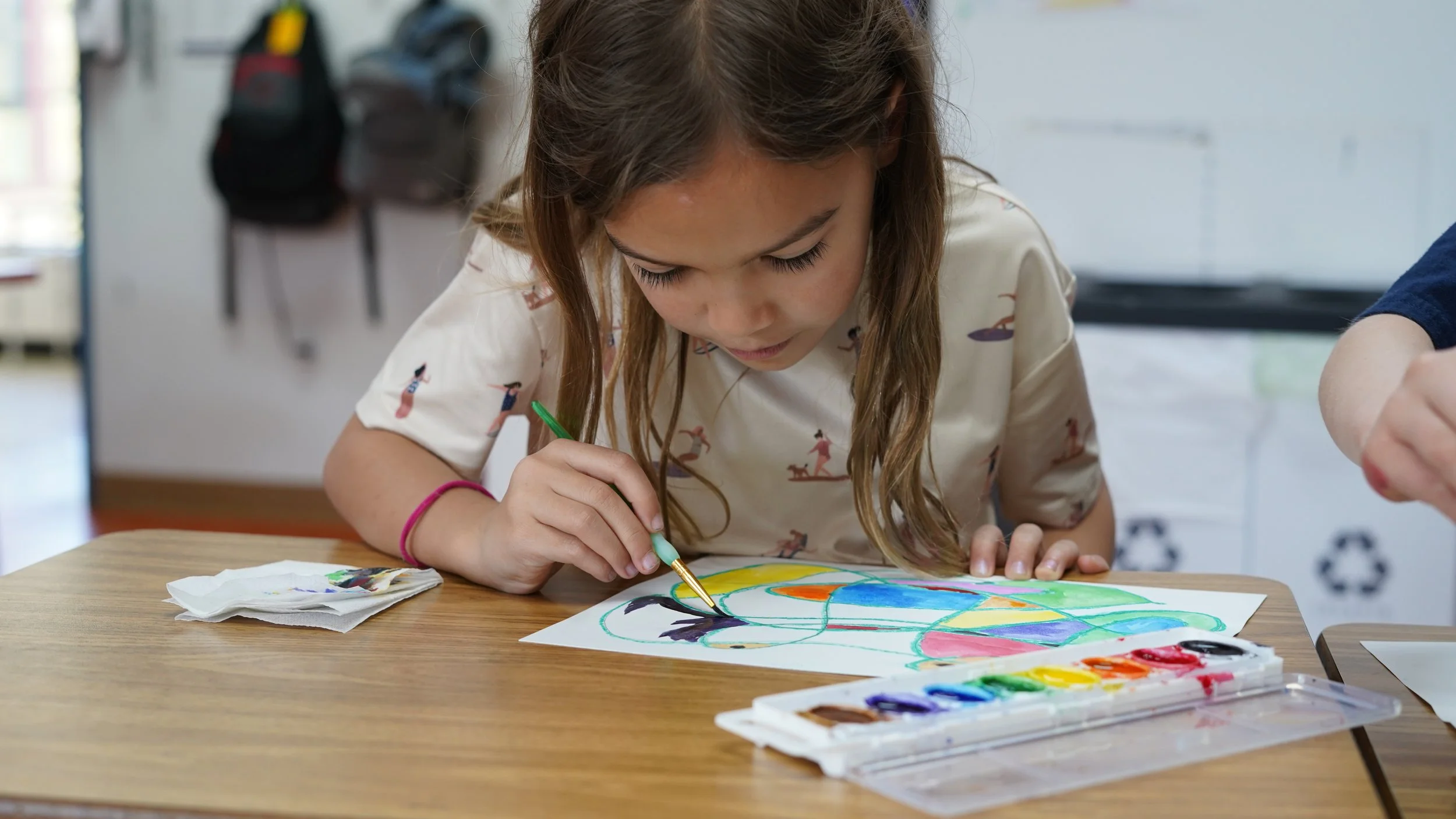
What Is S.T.E.A.M. Learning?
Traditional subjects are often taught separately, but real-world challenges rarely fit neatly into one discipline.
Designing a sustainable building requires physics, geometry, environmental science, architecture, visual design, and an understanding of how people use a space. Creating an educational app may involve coding, data, illustration, language, sound, and psychology.
In a S.T.E.A.M. classroom, students might design a structure, build a prototype, program an interactive experience, illustrate a scientific process, or create a device for a particular user.
The goal is not simply to produce an attractive final project. It is to investigate, imagine, create, test, communicate, and improve.
From a Working Idea to a Usable Solution
A technical solution asks:
Can it work?
A well-designed solution also asks:
Who will use it?
Is it understandable?
Is it comfortable and accessible?
Does it solve the right problem?
How could it be improved?
These are questions of design and human behavior as much as engineering or technology.
A chair must support weight, but it should also be comfortable. A website must provide information, but visitors must be able to find it. A playground structure must be safe, but it should also encourage exploration and accommodate children with different abilities.
S.T.E.A.M. helps students understand that function and design are not separate. The strongest solutions integrate both.
Creativity Is a Rigorous Skill
Creativity is sometimes treated as the opposite of academic rigor. In reality, meaningful creative work requires careful thinking.
Students must observe, identify patterns, ask questions, generate alternatives, work within constraints, evaluate evidence, accept feedback, and revise unsuccessful ideas.
Creativity does not mean every idea is equally effective. It means producing possibilities and then using knowledge and judgment to improve them.
S.T.E.A.M. learning gives students permission to experiment while also requiring them to explain and defend their choices.
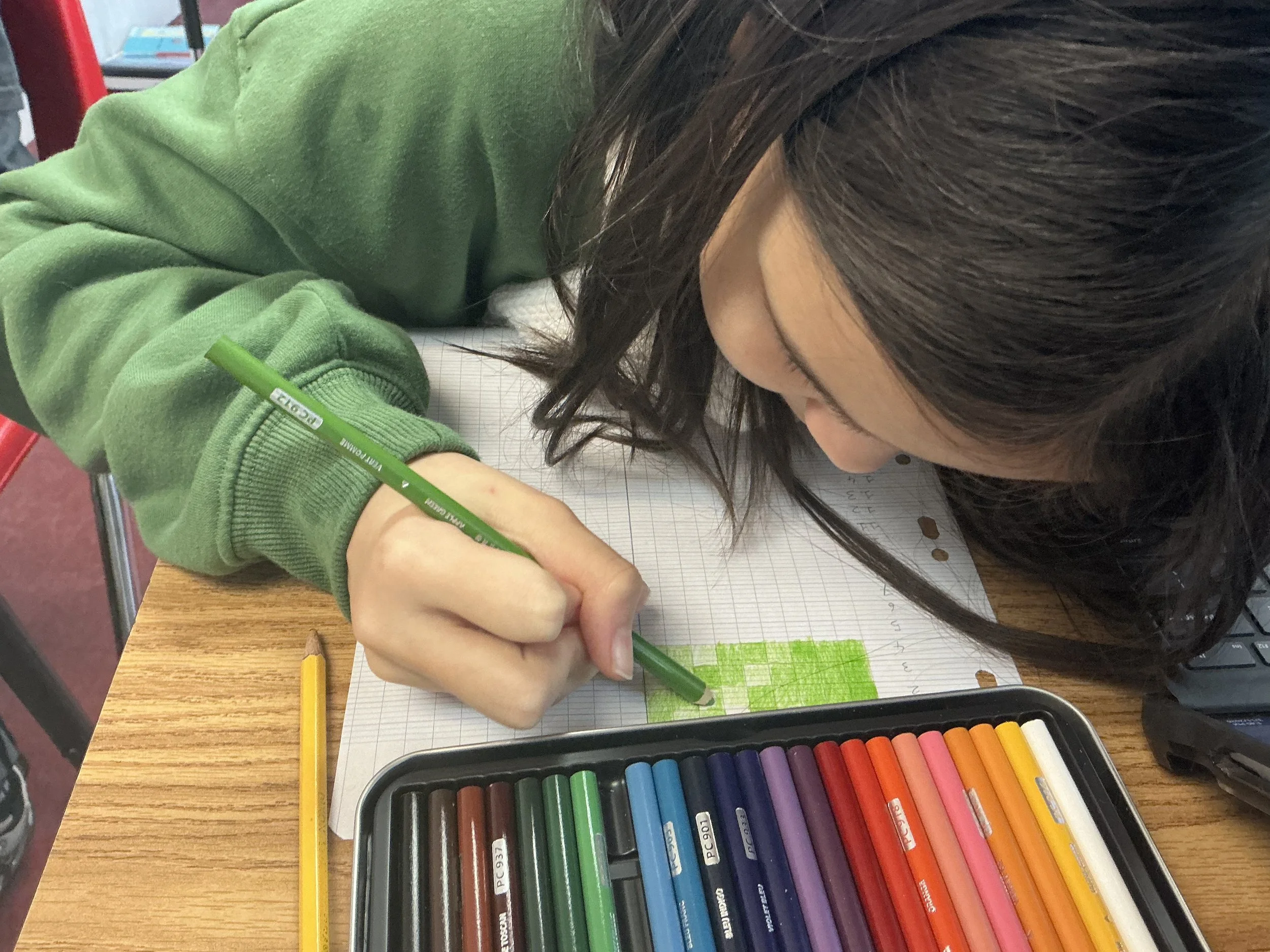
Learning Through Design and Revision
Many S.T.E.A.M. projects follow a design process:
Understand the problem and the people affected by it.
Generate several possible solutions.
Build a model or prototype.
Test the design.
Gather feedback.
Revise and try again.
This process changes the student’s role. Instead of waiting for the teacher to provide one correct answer, students make decisions, solve problems, and learn from the results.
A tower may collapse. A circuit may not light. A piece of code may produce an unexpected result. Rather than seeing these moments as failures, students learn to treat them as information.
They investigate what happened, change a variable, and test another approach.
Artists work in much the same way. Writers revise drafts. Musicians rehearse. Actors adjust performances. Visual artists experiment with materials and composition.
Both artistic and technical work depend on iteration.
Making Learning Visible
S.T.E.A.M. projects require students to apply what they know.
A student designing a model animal habitat might research biological needs, measure the space, select materials, draw plans, construct a model, and explain each design decision.
Through the project, the student demonstrates much more than memorization. Teachers can see whether the student understands science, measurement, cause and effect, communication, and practical problem-solving.
Knowledge becomes a tool for making decisions rather than simply information to repeat on a test.
The Arts Strengthen Communication
Even the best discovery has limited impact if it cannot be explained.
Scientists, engineers, mathematicians, and technologists rely on diagrams, models, presentations, writing, storytelling, and data visualization to share their work.
The arts help students think about audience, organization, clarity, and meaning.
Students learn to decide whether an idea is best explained through a graph, illustration, model, animation, performance, or written argument. They learn that communication is not separate from technical work. It is part of making that work useful.
More Ways Into Technical Learning
S.T.E.A.M. also provides multiple entry points for students.
One child may be drawn to coding. Another may be skilled at drawing plans, building models, telling stories, or presenting ideas. A strong team benefits from all of these abilities.
Students learn that different strengths are complementary. Collaboration requires listening, explaining, negotiating, dividing responsibilities, and combining several ideas into one solution.
The arts do not lower the expectations of STEM learning. They help more students find a meaningful way into it.
Preparing Thoughtful Innovators
Students are growing up in a world shaped by artificial intelligence, climate change, automation, digital media, and biotechnology.
They will need scientific and technical knowledge, but they will also need to ask important human questions:
Who benefits from a new technology?
Who might be excluded?
Is it understandable and accessible?
How will it affect people and communities?
Should it be created simply because it can be?
These questions require empathy, ethics, cultural understanding, creativity, and communication.
S.T.E.A.M. prepares students not only to use technology, but to question, shape, and improve it.
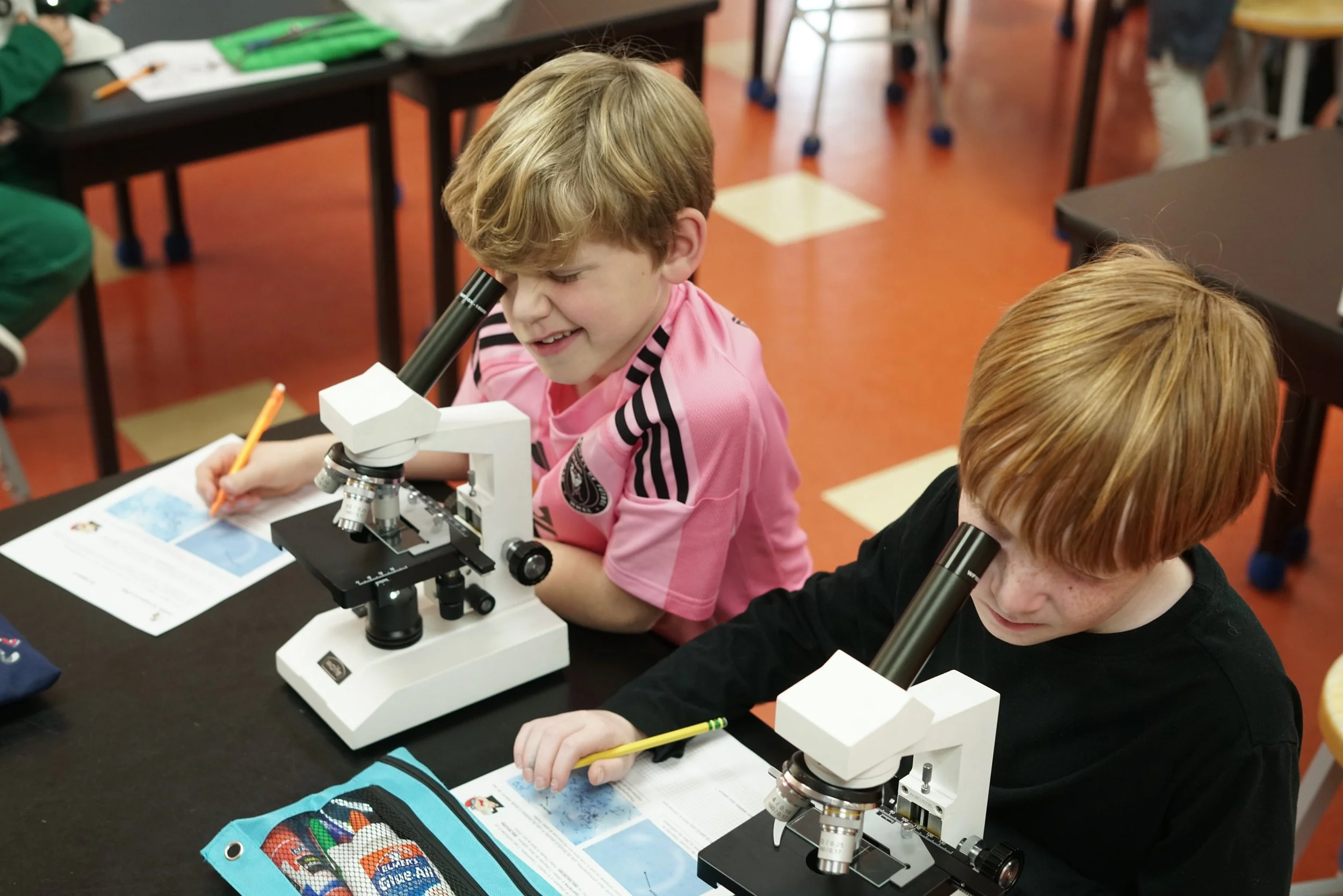
S.T.E.A.M. Learning at FASPS
At the French American School of Puget Sound, students learn through more than one language, culture, academic tradition, and perspective. Interdisciplinary learning is a natural extension of our harmonized French-American approach.
Students explore science, mathematics, engineering, technology, coding, visual arts, music, and drama while applying their learning through inquiry and hands-on projects.
When students investigate, design, build, perform, explain, test, and revise, they learn to approach complex problems from several directions.
STEM disciplines give students tools for understanding the world. The arts help them imagine how it might be improved.
The “A” in S.T.E.A.M. does not distract from science, technology, engineering, or mathematics.
It helps give them purpose.
Because the best solution is not simply the one that works.
It is the one that works for people.