
The Bilingual Brain: Benefits of Bilingual Education for Children
When a bilingual child moves between French and English, they are doing much more than translating one word into another.
They are listening for different sounds, recognizing different patterns, selecting the language that fits the moment, adjusting to the person speaking, and deciding how best to express an idea. With time and experience, the brain becomes increasingly efficient at managing this complex linguistic environment.
Researchers continue to study exactly how bilingualism affects a developing brain. The emerging picture is both exciting and more nuanced than some popular headlines suggest.
Bilingual education does not simply make a child “smarter.” Instead, regularly learning and communicating in two languages gives the brain a distinctive and demanding form of practice. It can shape how language networks develop, how different areas of the brain communicate, and how children think about words, meaning, context, and perspective.
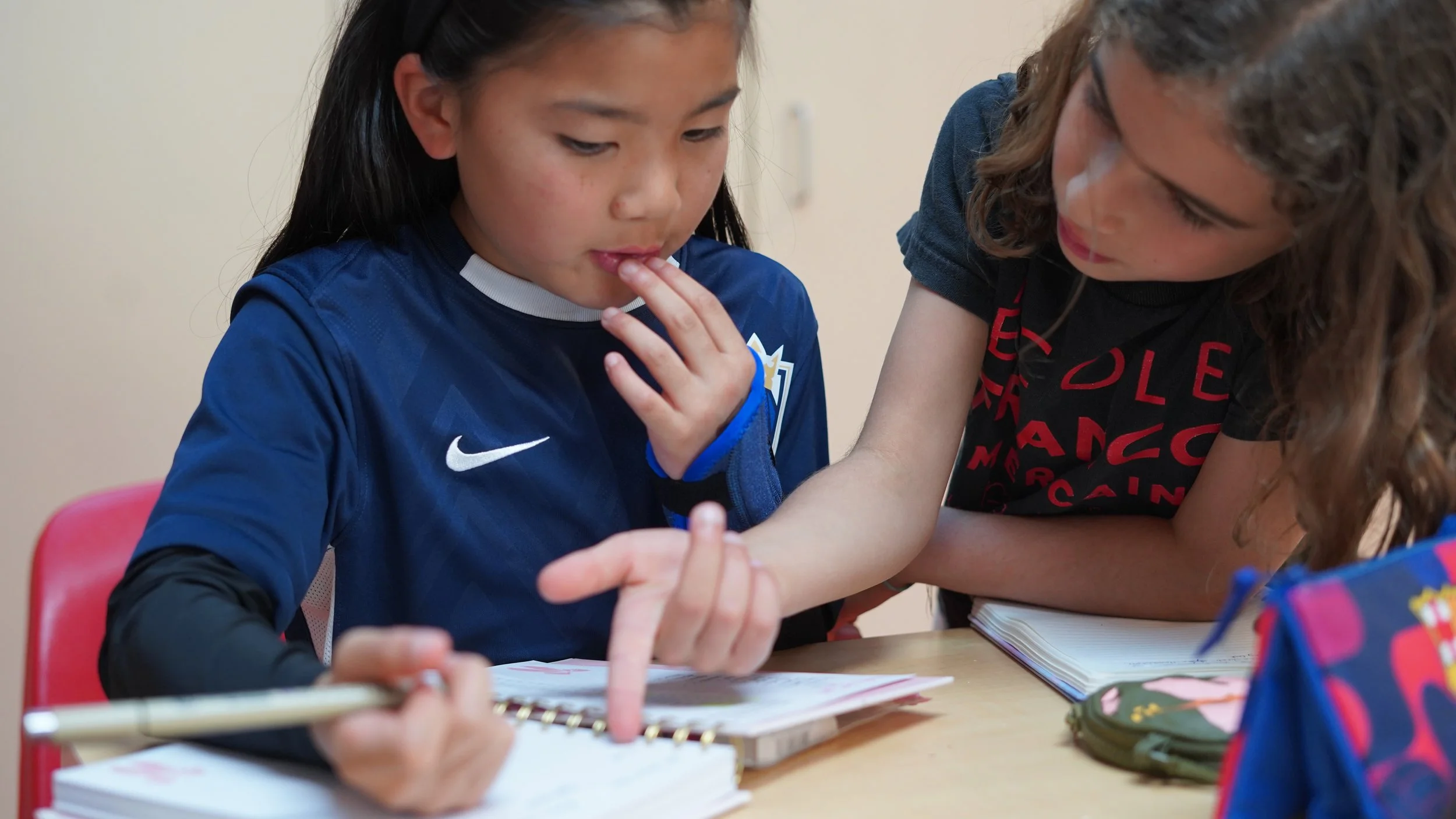
A Developing Brain Is Built Through Experience
The brain changes in response to repeated experience—a capacity known as neuroplasticity. Every time children practice a skill, whether they are reading, playing an instrument, solving a math problem, or speaking another language, the networks supporting that skill are engaged and refined.
Bilingual children regularly manage two active language systems. Even when they are speaking only one language, words and sounds from both languages may be available in the brain. The child must recognize which language is appropriate, focus on the intended message, and manage possible interference from the other language.
This does not mean the brain contains two completely separate language compartments. Current research increasingly describes language as a distributed network involving areas associated with speech, comprehension, memory, attention, movement, and cognitive control.
A 2026 systematic review and meta-analysis of neuroimaging research involving bilingual children from infancy through adolescence found activity across both traditional language regions and broader executive-function networks. Differences were especially evident in the inferior frontal gyrus, a region involved in language production, meaning, attention, and selecting among competing information. The researchers also emphasized that bilingual children are highly diverse and that the developing science should be interpreted carefully rather than reduced to one universal “bilingual brain.”
Early Language Learning Can Shape Brain Connectivity
One of the most intriguing areas of recent research examines not only which parts of the brain are active, but how efficiently different regions communicate with one another.
A 2024 brain-imaging study of 151 English-French monolingual and bilingual participants found greater overall network efficiency among bilingual participants. Early exposure to a second language was associated with stronger integration between cortical and cerebellar regions and greater connectivity involving attention and salience networks—the systems that help the brain notice, prioritize, and respond to important information.
The study did not show that every bilingual person will perform better on every cognitive task. It did, however, find that the age at which a second language was introduced was associated with the brain’s long-term functional organization. Learning during early childhood appeared to leave a particularly strong signature on the way brain networks were connected.
This may be one reason young children can absorb the sounds and patterns of another language so naturally. Their brains are already undergoing rapid development and are especially responsive to meaningful language experiences.
Bilingual Development Is Different—not Delayed or Deficient
Researchers are also learning that bilingual brain development may follow a somewhat different timeline from monolingual development.
A large 2024 study used data from the Adolescent Brain Cognitive Development project to compare white-matter pathways in carefully matched bilingual and monolingual children ages 9 and 10. The researchers found differences in pathways connected to language, cognitive control, and short-term memory. Rather than interpreting these differences as a weakness, the authors suggested that bilingual children may experience a more extended period of development in some language-related networks while they continue learning and managing two languages.
Another ABCD study, involving more than 7,000 children, identified differences in several subcortical and cerebellar regions associated with language learning, attention, movement, memory, and cognitive control. The findings support the idea that bilingual experience produces dynamic adaptations across development rather than a single, fixed neurological advantage.
In other words, the bilingual brain is not a monolingual brain with a second language added to it. It is developing in response to a different set of experiences and demands.
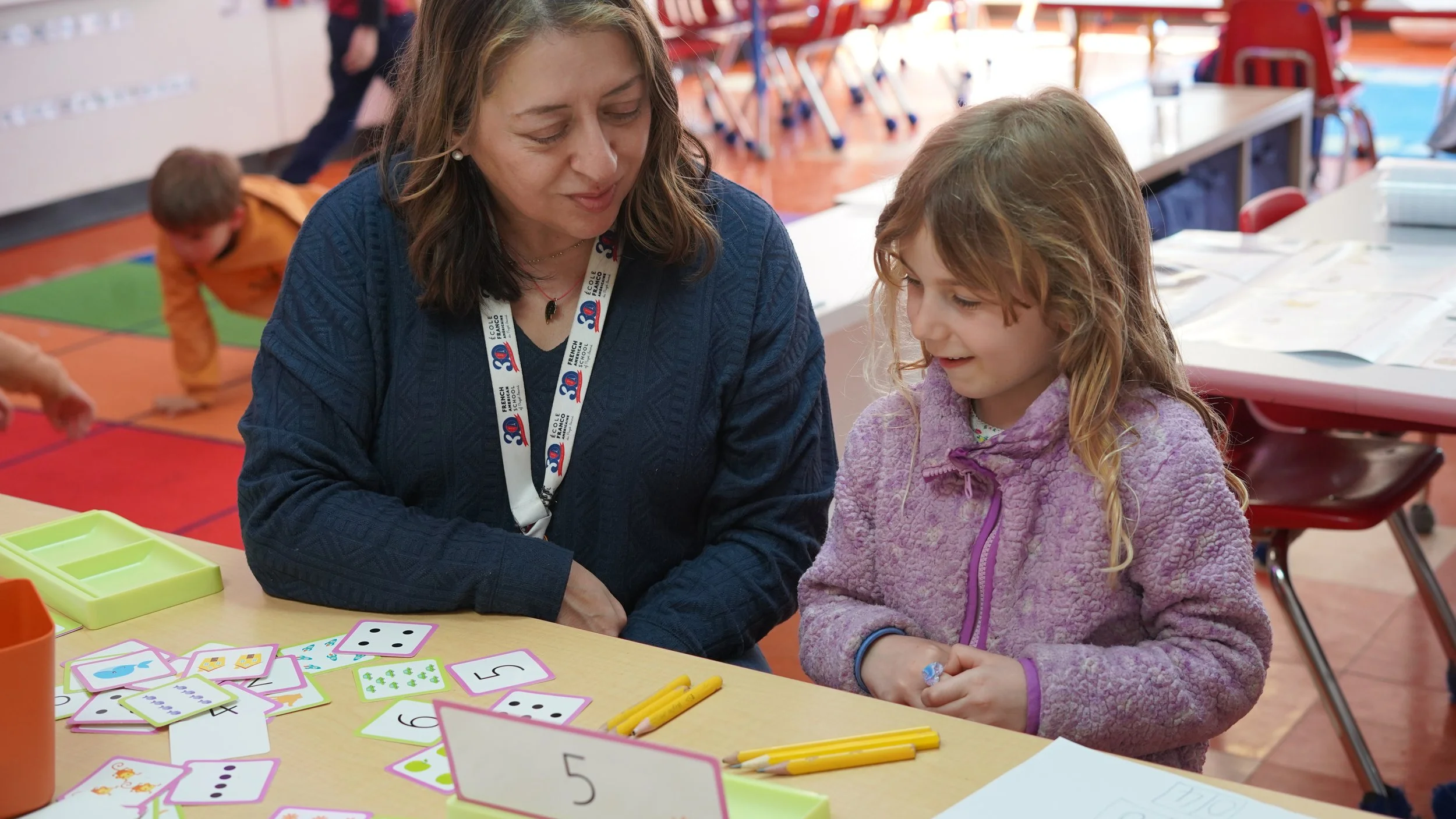
Does Bilingualism Improve Attention and Cognitive Flexibility?
For many years, bilingualism was widely said to produce a universal “executive-function advantage.” Executive functions include skills such as focusing attention, remembering instructions, resisting distractions, switching strategies, and controlling impulses.
Some studies have found that bilingual children perform particularly well on tasks requiring them to switch between rules, monitor competing information, or think flexibly. Other studies have found small effects, benefits only among particular groups, or no measurable difference from monolingual children.
A recent study of children ages 5 to 7, for example, found mixed results when comparing bilingual and monolingual children on several executive-function measures. The degree of bilingualism was not consistently associated with stronger performance across the tasks.
A 2024 systematic analysis similarly concluded that bilingual experience may involve cognitive trade-offs rather than one simple advantage. Depending on the task, a bilingual person might demonstrate greater flexibility or monitoring while taking slightly longer to retrieve a particular word. These patterns vary according to age, language proficiency, frequency of use, learning environment, and the demands of the activity.
The responsible conclusion is not that bilingualism guarantees superior attention or memory. It is that managing two languages provides regular practice in adapting to context, selecting relevant information, and shifting between different systems. Those experiences can shape cognition, but their effects are individual and dynamic.
Two Languages Do Not Confuse a Child
One of the most persistent myths about bilingual education is that exposure to two languages will confuse a young child or cause a language delay.
Research does not support that assumption.
A 2023 study of 595 Spanish-English bilingual children, including 100 children with developmental language disorder, found no evidence that divided language exposure created an overall bilingual delay or increased the risk associated with a language disorder. The researchers found that assessments based on only one language could underestimate a child’s ability because bilingual knowledge is distributed across both languages.
This distinction is important. A bilingual child may know some words in French, some in English, and many in both. They may know chien before they regularly use “dog,” or use one language for school activities and another for family routines.
A 2024 vocabulary study explained that bilingual children can appear to have a smaller vocabulary when measured in only one language. When researchers consider the words and concepts children know across both languages, they obtain a much more accurate picture of overall language development.
Mixing languages is also not evidence of confusion. Moving between languages—sometimes within the same conversation—is a normal and often highly sophisticated bilingual behavior. Children gradually learn which language to use with different people and in different settings.
Bilingualism Helps Children Understand How Language Works
Learning two languages gives children repeated opportunities to notice that the same idea can be expressed in different ways.
A house can also be une maison. A sentence may place adjectives before nouns in one language and after them in another. A sound that carries meaning in French may function differently in English. An expression may translate literally but carry a different cultural meaning.
These discoveries help develop metalinguistic awareness: the ability to step back from language and think about how it is constructed.
Rather than experiencing words as fixed labels, bilingual children learn that language is a flexible system of sounds, symbols, rules, and choices. This can support their understanding of grammar, word relationships, sentence structure, and the connections between spoken and written language.
In a well-designed bilingual classroom, students do not merely learn the French and English words for the same object. They learn to compare, connect, analyze, and communicate across two linguistic systems.
Academic Learning Does Not Have to Wait
Parents sometimes worry that learning academic content through two languages will slow progress in reading, mathematics, science, or other subjects.
Recent educational research provides encouraging evidence.
A 2025 study examined students who applied to oversubscribed dual-language programs and used enrollment lotteries to compare children who gained access with similar children who did not. Native English-speaking students who won access to dual-language education earned higher reading and mathematics scores during Grades 1 through 4. Average gains appeared as early as first grade and increased over time.
The researchers reported average gains of 0.12 standard deviations in reading and 0.14 in mathematics. Because program access was determined through lotteries, the study offers stronger evidence than a simple comparison between families who independently chose bilingual education and those who did not.
Not every study has found identical results, and outcomes depend heavily on the quality and structure of the educational program. A 2024 study of Spanish-speaking English learners found trends favoring dual-language instruction in early literacy, although the differences were not statistically significant after students were matched on background factors.
Taken together, the research suggests that children can develop another language while continuing to build strong academic knowledge. Bilingual education does not require putting meaningful learning on hold until the child becomes fluent.
More Than a Cognitive Exercise
The value of bilingual education cannot be understood through brain scans and test scores alone.
Language carries stories, humor, history, relationships, traditions, and ways of interpreting the world. As children learn another language, they also discover that people may communicate, solve problems, and understand experiences differently.
This can encourage intellectual humility. Children begin to recognize that their first way of naming or explaining something is not the only possible way.
In a culturally diverse classroom, bilingual learning can also help children:
Listen more carefully before making assumptions
Become comfortable when they do not immediately understand
Use gestures, context, observation, and collaboration to construct meaning
Consider how communication changes across people and situations
Develop confidence when navigating unfamiliar experiences
Build relationships across linguistic and cultural differences
These are not merely language skills. They are forms of adaptability and cultural agility that prepare children to participate thoughtfully in an interconnected world.
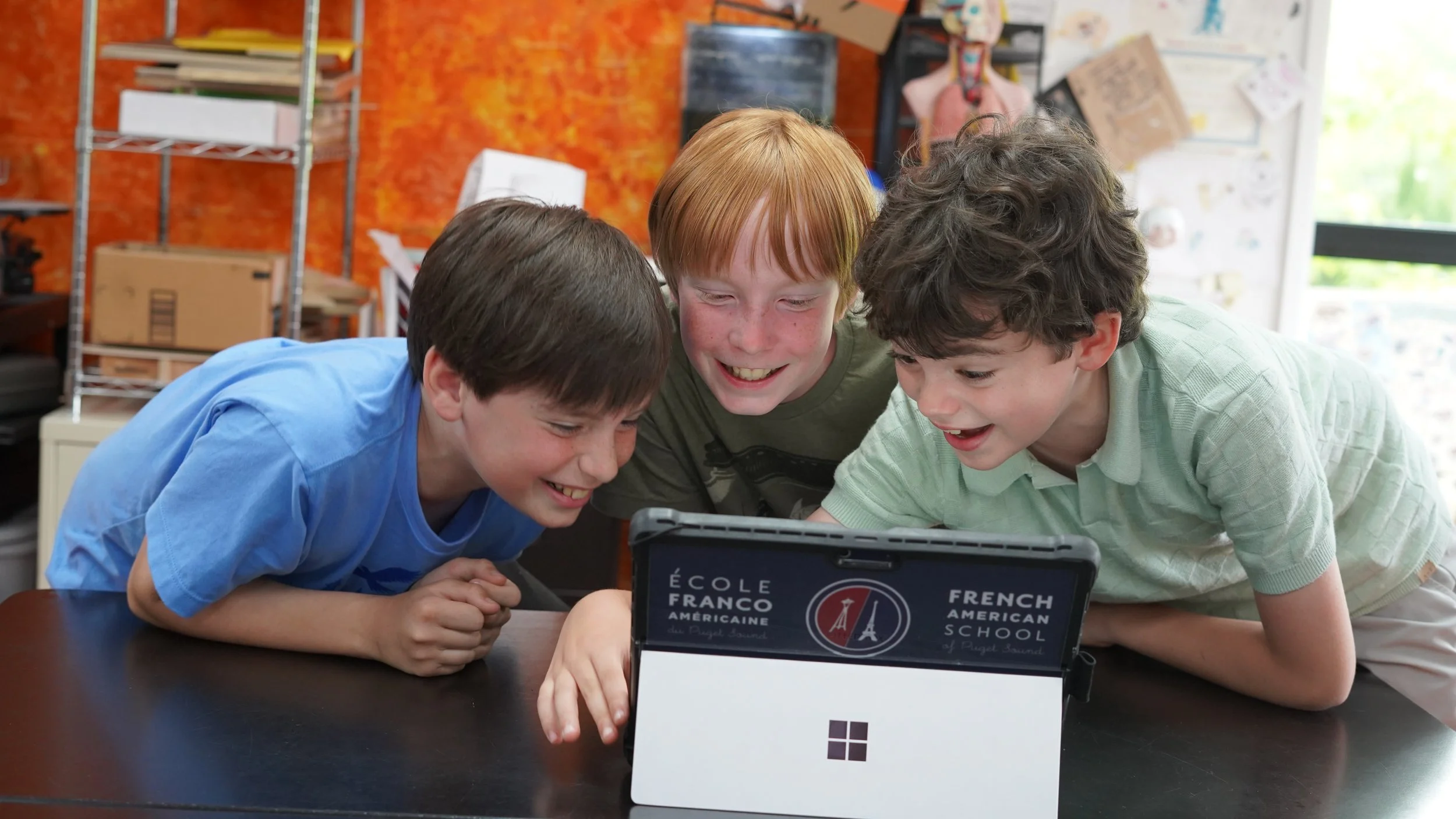
What Makes Bilingual Education Effective?
Exposure alone is not enough. The quality of the experience matters.
Children develop language through meaningful interaction, not isolated memorization. Effective bilingual learning includes:
Frequent and sustained exposure to both languages
Warm relationships with teachers and classmates
Opportunities to use language for authentic purposes
Songs, stories, play, movement, conversation, reading, and writing
Academic instruction that connects language with meaningful ideas
Visual cues, repetition, routines, and age-appropriate support
Respect for the child’s home language and cultural identity
Long-term continuity rather than occasional language lessons
Children also need permission to take risks. They may understand far more than they are ready to say. They may listen quietly, respond with gestures, combine languages, or pass through a period in which they speak less while processing a great deal.
These are normal parts of language acquisition. A supportive classroom gives children time to observe, experiment, make mistakes, and gradually communicate with increasing independence.
The Bilingual Journey at FASPS
At the French American School of Puget Sound, bilingual learning is not an enrichment class added to an otherwise monolingual day. French and English are woven throughout students’ academic, social, and cultural experiences.
Beginning in Maternelle, children learn through play, stories, music, movement, inquiry, classroom routines, and relationships. Many enter with no previous French experience and develop age-appropriate fluency as they progress through the program.
In Elementary School, students develop literacy in both French and English while learning mathematics, science, social studies, the arts, and other subjects through a harmonized French-American program. They continue strengthening their bilingual foundation through Middle School as they engage in increasingly complex academic discussion, analysis, writing, and interdisciplinary learning.
The result is more than proficiency in two languages. Students learn to move between languages, academic traditions, cultural perspectives, and ways of thinking. They become confident communicators and adaptable learners who are prepared to connect with people and ideas beyond the boundaries of a single language.
Two Languages, More Ways to Think
Research on the bilingual brain is still evolving. Scientists have not discovered one universal advantage that applies equally to every child, every language combination, and every cognitive task.
What research does show is that learning and using two languages is a profound developmental experience.
It engages distributed brain networks. It can shape connectivity and the developmental timing of language pathways. It teaches children to manage meaning across different systems. It supports bilingual communication and biliteracy without causing confusion. And when delivered through a strong educational program, it can accompany—and sometimes strengthen—academic achievement.
A bilingual education does not simply give children more words.
It gives them more ways to listen, more ways to connect, and more ways to understand the world.
Discover how a harmonized French-American education can help your child become a confident bilingual learner. Schedule a visit to the French American School of Puget Sound and experience our classrooms in action.