

STUDENT success
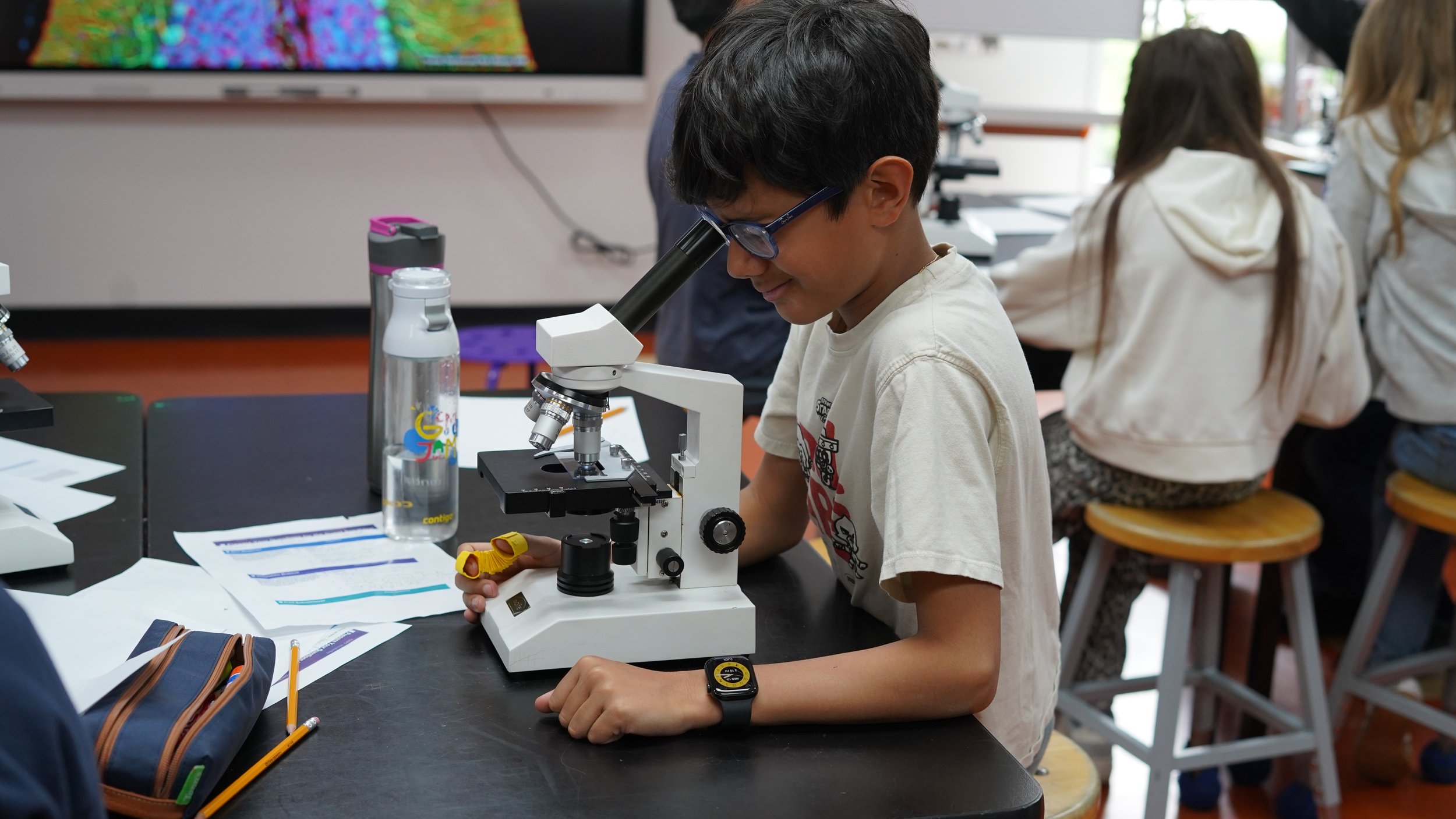
Personalized Support for Every Learner
FASPS provides individualized academic and social-emotional support across all grade levels, helping each student build confidence, overcome challenges, and reach their full potential in a bilingual learning environment.

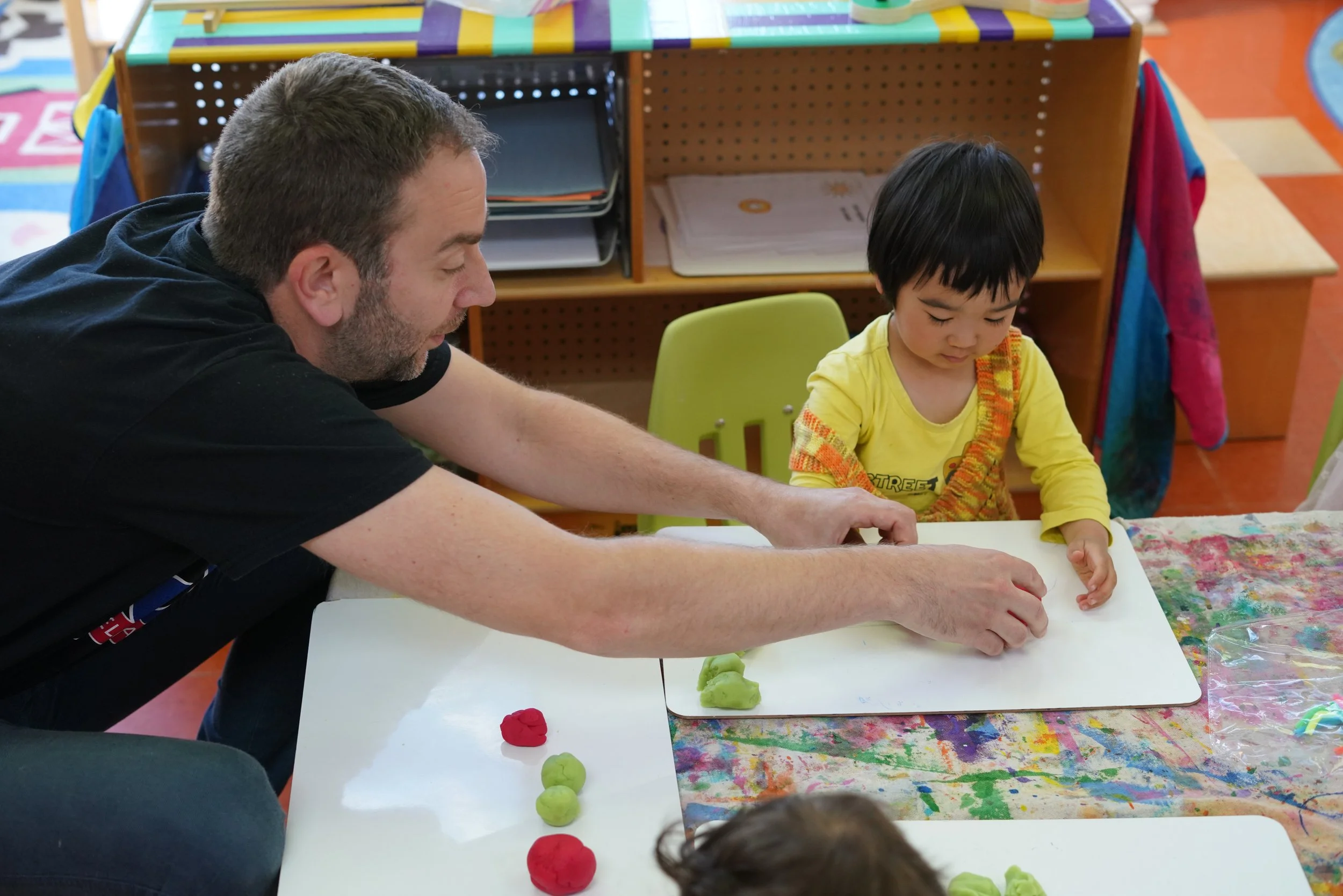
Differentiation is a cornerstone of our approach at FASPS
We recognize that students differ in personality, learning style, comprehension level, and educational needs, and we strive to engage each learner meaningfully in the classroom.

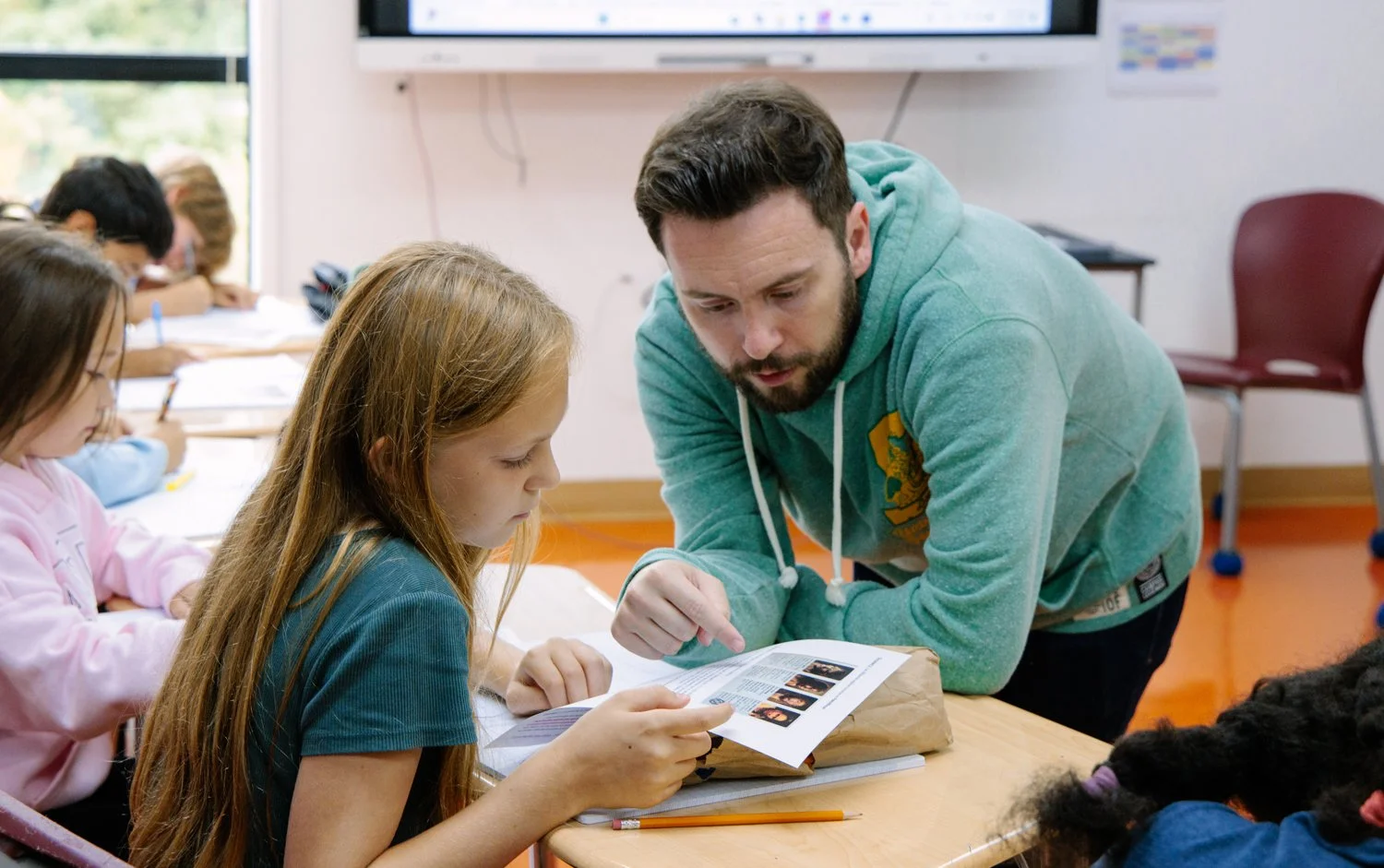
French Accelerated Scholars Track (FAST) Program
The French Accelerated Scholars Track (FAST) is designed for students with a strong academic record who have little to no prior experience in French. It provides an intensive, highly personalized pathway for language acquisition that allows students to transition into the mainstream French program within one to two years.
FAST builds on best practices, the latest research, and methods used across the international French school network. It combines the rigor of FLL (French as a Foreign Language) instruction with the individualized support that defines our approach at FASPS.
-
FAST expands access to bilingual education while maintaining high academic standards. It supports students in developing French proficiency across listening, speaking, reading, and writing, while continuing to progress in English and other core subjects. By the end of the program, students are confident, bilingual learners who participate fully in our French-American curriculum.
-
FAST is open to students with strong academic skills and a genuine interest in learning French. Entry is determined on a case-by-case basis, using information such as prior report cards, teacher feedback, and standardized assessments. We also consider student motivation and family commitment to the bilingual journey.
Most students begin during their elementary school journey, though later entry can be considered when appropriate. The goal is to meet each student where they are and guide them toward mainstream proficiency. -
FAST follows a two-phase structure aligned with the French educational cycles.
During the first phase, students receive small-group or one-on-one instruction focused on oral comprehension, foundational literacy, and academic vocabulary. They continue learning in English-language subjects alongside their peers to ensure full participation in the school community.As their French proficiency grows, students move into the second phase, joining more of their regular French classes with ongoing support from our FAST specialists. Co-teaching and in-class language scaffolds help them bridge into full bilingual participation by the end of the program.
-
FAST is led by bilingual educators who specialize in language acquisition. The team collaborates closely with homeroom and subject teachers, ensuring each student’s schedule and progress are carefully monitored. Teachers receive ongoing training in language-aware instruction, allowing them to support FAST students within their regular classrooms.
Cohorts are intentionally small, combining one-on-one instruction with group dynamics and discussions so that instruction can be individualized and progress can be closely tracked.
-
Student progress is assessed in listening, speaking, reading, and writing through both formative and standardized evaluations. Reviews occur every six to eight weeks, and families receive regular updates on growth and next steps.
By the end of the program, students will be ready to thrive in our unique, harmonized bilingual classes.
-
Parents do not need to speak French at home in order to take part in the FAST experience. If interested, families may request guidance and resources to support learning, including bilingual newcomer materials and optional French courses through community partners such as the Alliance Française. FASPS has resources available for every phase of the language journey.

HICAP program
Challenging Every Student to Reach Their Full Potential
At the French American School of Puget Sound (FASPS), the HiCap Program supports highly capable students who demonstrate advanced cognitive abilities, curiosity, and a strong need for academic challenge. Within our unique bilingual environment, students are encouraged to think deeply, explore broadly, and progress at a pace aligned with their strengths—while remaining socially connected and emotionally supported.
While all students benefit from differentiated instruction, the HiCap Program offers flexible learning pathways that extend classroom learning and help students reach their full potential. Once formally identified as highly capable, students will receive additional accommodations tailored to their individual needs.
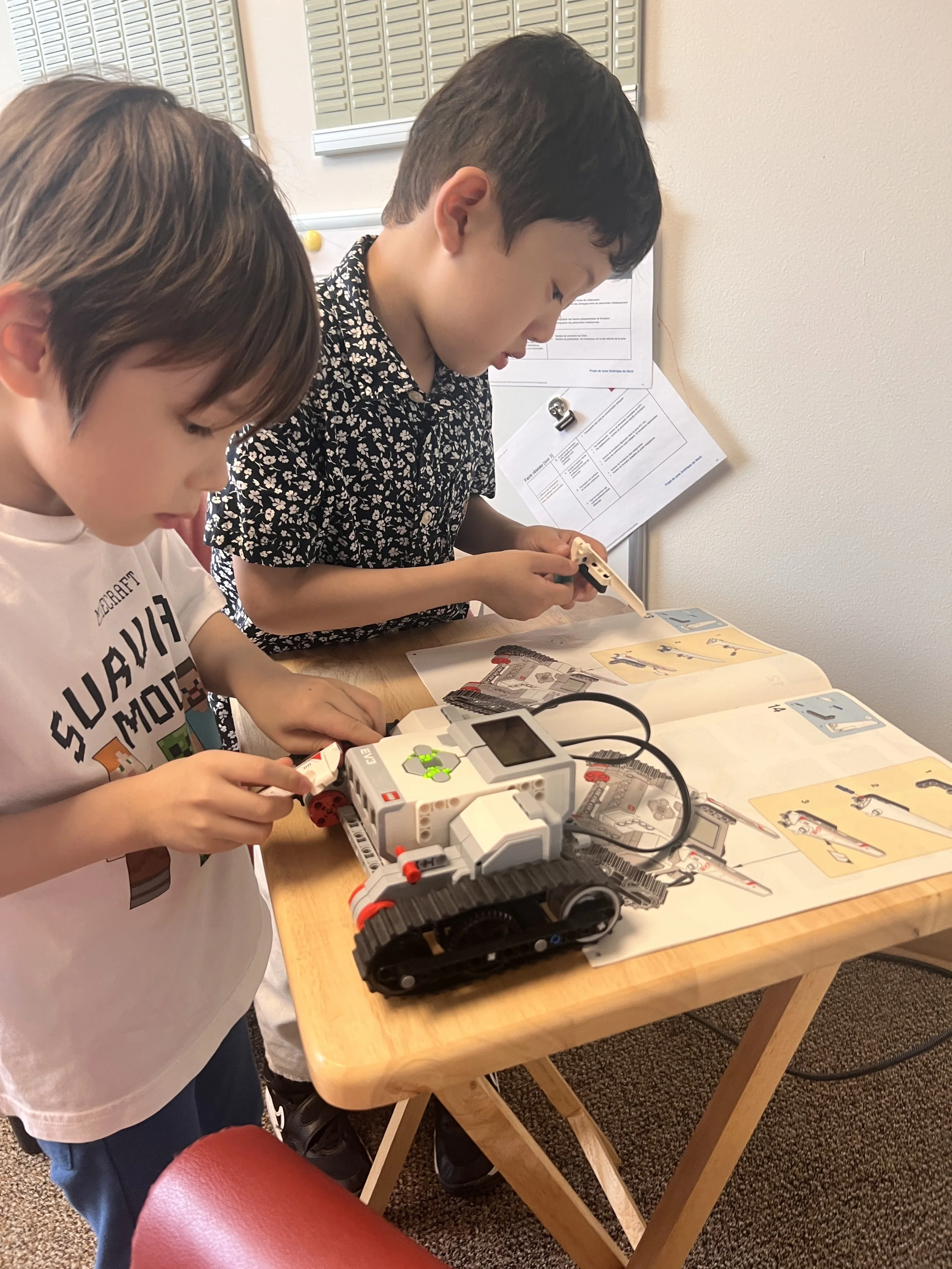
NURTURING EXCELLENCE
IQ Score Bell Curve
Formal identification as a Highly Capable Learner requires an evaluation conducted by an external educational psychologist.
This comprehensive assessment typically includes:
Cognitive testing (such as the WISC-V)
Psycho-affective and socio-emotional evaluation
Optional assessments of creativity, motor skills, or other developmental areas
To qualify, a student must demonstrate:
A full-scale IQ above 130 (two standard deviations above the mean)
Cognitive characteristics consistent with advanced learners, who represent approximately 2.3% of the population
Once identified, Highly Capable Learners may receive one or more of the following accommodations, depending on individual needs:
the HICAP PATHWAYS
-
Provides stimulating activities and problem-solving to deepen learning while students remain in their class.
Available at all grade levels, enrichment allows students to explore areas of interest while remaining with their class.
3 types of enrichment support deeper learning:
Type I – Exploratory Enrichment
Sparks curiosity through exposure to new topics, disciplines, and experiences beyond the core curriculum.
Type II – Skill-Building Enrichment
Small-group work focused on creativity, critical thinking, collaboration, and problem-solving using written, oral, and visual expression.
Type III – Research & Innovation Enrichment
Independent or small-group projects where students act as researchers, developing autonomy and real-world problem-solving skills. -
Offers the flexibility to take specific advanced subjects with a higher grade level.
In elementary and middle school, students may participate in specific subjects or activities at a higher grade level while remaining in their current grade for others.
This flexible approach:
Maintains motivation and engagement
Allows students to grow where they are strongest
Preserves social-emotional connections with peers
Strengthens community across grade levels
-
Allows students to complete the curriculum in less time through grade skipping or condensed learning.
For some students, learning at a faster pace is essential to maintaining engagement and well-being.
Acceleration options may include:
Grade skipping (at any point in the year)
Condensed learning paths (completing multi-year programs in a shorter timeframe)
Acceleration may also support students who appear under-engaged or underperforming despite high cognitive ability. Decisions are made collaboratively with families to ensure academic readiness and emotional well-being.
frequently asked questions
-
Differentiation happens for all students in every classroom. The HiCap Program provides additional, formal accommodations for students identified as highly capable.
-
No. FASPS prioritizes community and inclusion. Accommodations are designed to challenge students while maintaining strong peer relationships.
-
Yes and No. Teachers regularly provide challenging activities and differentiated instruction without formal identification. Formal identification allows access to additional structured accommodations such as specific enrichment designed for Highly Capable Learners.
-
Yes. Enrichment, cross-grade placement, and acceleration can be combined based on the student’s needs.
-
Decisions are made collaboratively by:
School leadership
Teachers
Specialists
Families
Each plan is individualized, reviewed regularly, and adjusted as students grow.
-
Absolutely. Academic challenge and emotional well-being go hand in hand. Our approach ensures students feel supported, connected, and confident as learners.

Student Success Team
When regular classroom differentiation is not enough, the Student Success Team steps in to evaluate the student’s needs. These students may then receive additional support from specialists, either through a pull-out or push-in model, delivered individually or in small groups.
The Student Success Team comprises specialists who work with students requiring targeted support. The Dean of Students coordinates these efforts to ensure that each child receives the appropriate assistance and accommodations needed to thrive at school.
The team includes:
A French Learning Specialist
An English Reading Specialist
A School Counselor
A French Language Learning Specialist and Peer Mediation Program Coordinator
An English Language Learning Coordinator.
For more information about our specialist team, please contact the Dean of Students. cecilech@fasps.org. Frequently Asked Questions
-
The Student Success Team (SST) is a group of educators and specialists at FASPS who work collaboratively to support students’ academic, language, social-emotional, and behavioral growth. The SST partners with teachers and families to ensure that every student receives the appropriate level of support—whether remediation or enrichment—so that all learners can thrive and reach their full potential. The team works to identify barriers to success and provide targeted, compassionate, and developmentally appropriate support.
-
Dean of Students: serves as the main contact for guiding students Bébé Griffin to Grade 8 through various academic and socio-emotional growth opportunities. They coordinate the work of the Student Success Team, faculty, administration, health aid, families and outside providers to support student development.
Dean of Teaching and Learning: collaborates with the SST regarding students in the HiCap program ( For more information about the HiCap program LINK)
English Language Learning (ELL) Coordinator: Evaluates and assists students with limited English proficiency. This support extends from Kindergarten through Grade 8, with a greater focus on upper-grade students who need to rapidly develop their English skills to fully engage in the program.
English Reading Specialist: Evaluates Grade 1–5 students facing reading challenges, including issues with phonology, decoding, and comprehension. Provides necessary support through either a pull-out or push-in model, tailored to individual or small group needs.
2 French Language Learning Specialists: Provides additional French language support to Kindergarten and Grade 1 students. Depending on their needs, this support can be delivered through a pull-out or push-in model, either individually or in small groups. They also provide support for students in the FAST program
French Learning Specialists: Evaluate and address various learning difficulties in language, math, and executive functions. Depending on the student’s needs, support is provided through either a pull-out or push-in model, individually or in small groups.
School Counselor: Collaborates with students, parents, and school staff to support the social, emotional, and character development needs of students from students Bébé Griffin to Grade 8
-
Students may be referred through:
Teacher observations and referrals
Family concerns
Recommendations from specialists
Assessment results
Admissions review processes
-
Yes. Families are encouraged to share any concerns regarding their child’s academic progress, language development, social-emotional well-being, or behavior with teachers, specialists, counselors, or administrators. These concerns may then be brought to the Student Success Team (SST), which collaboratively reviews the information and determines the most appropriate course of action and level of support.
-
The SST follows a collaborative process:
Concerns and classroom interventions are documented.
The SST reviews the student’s needs and available data.
Families are informed and involved in the process.
Appropriate interventions and supports are planned and implemented.
Student progress is monitored regularly.
-
Support may include:
Classroom accommodations
Small-group instruction
Individual targeted support
Push-in classroom support
Pull-out sessions
Behavioral or social-emotional interventions
English or French language acquisition support
-
A Student Plan is a structured support plan created when a student’s needs go beyond what classroom differentiation alone can provide. Plans are developed collaboratively by teachers, advisors, specialists, and families
-
FASPS may implement several types of plans, including:
Student Success Plans (SSP) for temporary academic support The Student Success Plan (SSP) is designed to support students facing learning difficulties through a temporary, focused intervention lasting 8 to 10 weeks. This plan can be renewed if necessary, ensuring continued support based on the student’s progress. It includes a comprehensive assessment of the student’s strengths, goals, and strategies tailored to their specific needs. The Dean of Students, the student’s teacher or advisor, along with their family, collaborates to discuss and establish a supportive path forward, ensuring a coordinated and effective approach to overcoming the challenges)
Plans for enrichment and gifted learners
Personalized Support Plans (PSP) for diagnosed learning disabilities requiring accommodations: For students diagnosed with learning disabilities, the Personalized Support Plan (PSP) is renewed annually. It is developed collaboratively with the Dean of Students, the student’s teacher or advisor, and their family. The plan includes accommodations recommended by external providers and outlines the student’s strengths and challenges. Accommodations are implemented accordingly to support the student’s learning needs.
Behavior Intervention Plans (BIP) for temporary behavioral support: When behavior concerns persist the Dean of Students, the student’s teacher/advisor and the family will come together to discuss a supportive path forward. The plan includes the student’s strengths, behavior observed, determined triggers, possible reasons for behavior, and strategies for replacement behaviors. With family input, the plan is designed to include both proactive measures and clearly defined consequences. When a student has a Behavior Intervention Plan all individuals interacting with them will be made aware of the plan and are expected to apply it accordingly. The plan is assessed every eight weeks or earlier as needed. The Behavior Intervention Plan is an internal document that will not be shared with outside parties (except when requested by families).
-
The duration depends on the type of plan:
SSPs and BIPs typically last 8–10 weeks
Enrichment SSPs may last one semester
PSPs are generally reviewed yearly
-
Families are essential partners throughout the SST process. Parents are:
Informed when a plan is initiated
Included in meetings and discussions
Asked for consent when additional assessments are needed
Updated regularly on student progress and next steps
-
If a student continues to struggle despite targeted intervention and plan renewals, the SST and school administration may recommend additional evaluations or discuss other educational supports that may better meet the student’s needs.
-
Yes. The SST includes specialists who support both English and French language acquisition and literacy development.
-
Yes. Student Plans are stored in student files and shared with future schools only with family approval
-
For more information about the Student Success Team, families may contact the Dean of Students at cecilech@fasps.org